Start With a Strong Theme
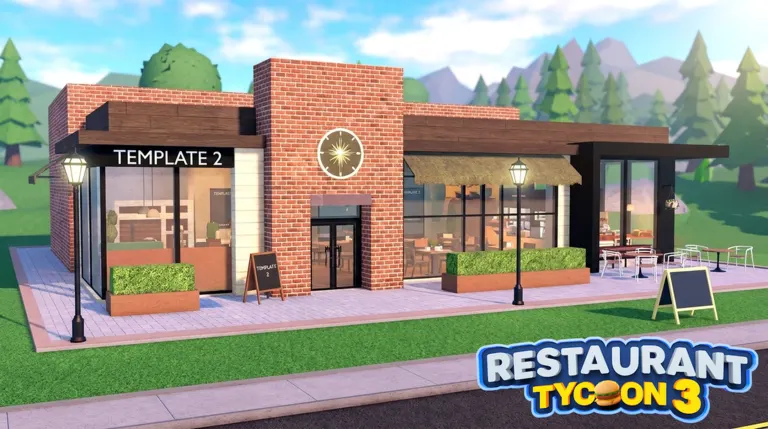
The best Restaurant Tycoon 3 builds feel memorable before guests even reach a table. A clear theme gives every color, texture, roofline, and decoration a purpose, making a modest restaurant look far more intentional than a large but unfocused build.
Choose one central idea before placing major structures. You do not need an expensive, plot-filling project to create personality; a compact diner, bright cafe, or waterside restaurant can be just as impressive when its details work together.
| Build theme | Best visual choices | Good first impression |
|---|---|---|
| Colorful cafe | Pastels, flower pots, chalkboard signs | Friendly and creative |
| Retro diner | Bold color contrasts, simple exterior | Energetic and nostalgic |
| Modern resort | Clean lines, pale surfaces, greenery | Upscale and relaxing |
| Aquarium restaurant | Light blue tones, water features, glass-like spaces | Playful and immersive |
| Fantasy temple or castle | Stone textures, bridges, layered roofs | Dramatic and adventurous |
Color is an especially useful way to make a build stand out. Many restaurants lean heavily on white, brick, and wood, which can look elegant but may blend together. Try choosing one main color, one supporting color, and one neutral material for balance.
For example, a sage-green cafe can use soft green walls, cream flooring, and natural wood accents. A light-blue aquarium theme can combine blue exterior panels with pale floors, plants, and a water-focused entrance. Keep repeating key colors in smaller details so the design feels connected.
Make the Entrance Part of the Build
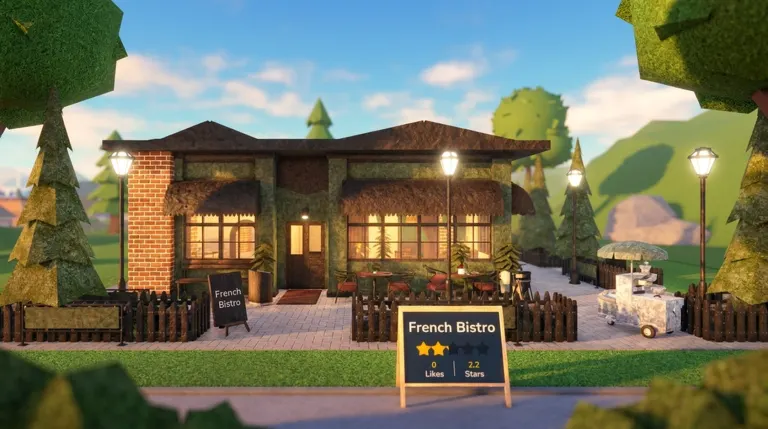
Your entrance is the first thing visitors notice, so treat it as a destination instead of a plain doorway. A custom path, sign, staircase, or outdoor seating area can immediately explain the restaurant’s style and make the whole plot feel more finished.
The most practical entrance designs use regular building pieces in creative ways. Roofs placed near ground level can create raised tiles, paths, or layered stairs while remaining flexible enough to recolor and reshape later.
| Entrance style | How to build it | Best for |
|---|---|---|
| Tile entrance | Place low roofs, floors, or mini flat blocks as a path | Modern restaurants and hotels |
| Bridge entrance | Dig a water channel, add floor sections, then fences as railings | Castles, temples, waterfront builds |
| Patio entrance | Create a path with side seating, flowers, and a cafe sign | Cafes, bakeries, outdoor dining |
| Grand stair | Layer flat roofs around the doorway at gradually lower heights | Resorts, palaces, luxury builds |
| Front stair | Layer roofs in a straight line leading from the door | Minimalist and contemporary builds |
For a clean tile entrance, roofs are a strong option because they add a little height and depth. Set their height and overhang low, use a small grid size, and repeat them across the path. Floors are cheaper, while mini flat blocks provide another alternative but can cost more.
A bridge entrance creates instant atmosphere. First, convert the area around the path into water. Then build the crossing from floor pieces rather than relying on short outdoor bridges. Add matching fences as railings, and use colors that suit the theme: dark wood for a temple, pale stone for a palace, or bright paint for a whimsical restaurant.
Use this entrance checklist before moving indoors:
- Make the route to the door obvious from the street.
- Repeat at least one exterior color in the path or stairs.
- Add depth with plants, water, railings, or raised pieces.
- Use a sign that matches the restaurant’s mood.
- Continue the stair or path concept slightly inside so it does not feel abruptly cut off.
For patio builds, outdoor tables and chairs make the entrance feel active rather than decorative. Flower pots near the doorway help frame the route, while a ground-level chalkboard sign can introduce a cafe-like mood. Handwritten-looking fonts work especially well for welcoming messages such as “Welcome” or a short restaurant name.
Build Big Without Wasting Your Budget
A great concept does not require unlimited money. Even elaborate-looking builds can be planned around affordable building methods, especially when you use roofs and floors for custom shapes instead of relying on costly furniture pieces.
Before committing to a large project, build one finished test area: an entrance, a small dining room, or a single exterior corner. This lets you confirm the colors, textures, and scale before spending on the full plot.
| Budget choice | Lower-cost approach | When to upgrade |
|---|---|---|
| Decorative path | Use floors | Upgrade to raised roofs when you want more depth |
| Custom stairs | Stack flat roofs at different heights | Add premium decoration after the structure works |
| Bridge | Make a floor crossing with fence railings | Use special scenery only for focal points |
| Outdoor seating | Start with a small patio zone | Expand after the main dining layout is complete |
| Large build | Finish one wing at a time | Fill unused space only when it improves the theme |
Layered roofs are particularly useful for stairs. Place the tallest piece closest to the doorway, then reduce the next piece’s height in small steps. A wrapped arrangement creates a grand staircase, while a straight arrangement creates a cleaner modern approach.
Avoid spending heavily on a single furniture item just to solve a structural problem. A roof-built staircase is usually more customizable, easier to recolor, and better suited to the exact width of your entrance. Save expensive items for places players will actually notice, such as a centerpiece, a signature sign, or a premium dining area.
Large resorts and palace builds benefit from zoning. Give each section one job: arrival area, lobby, dining room, outdoor terrace, or scenic water feature. This keeps the project manageable and prevents the plot from becoming a collection of disconnected rooms.
Restaurant Tycoon 3 Build Ideas FAQ
What are good restaurant tycoon 3 build ideas for beginners?
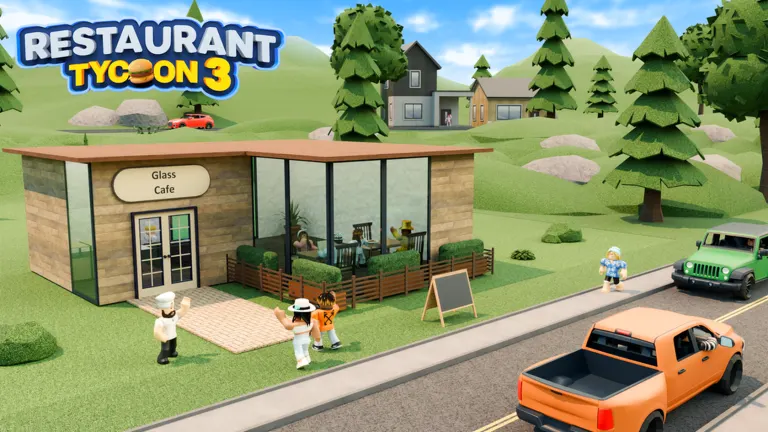
Start with a colorful cafe, retro diner, or compact patio restaurant. These themes need fewer large structures, let you practice color matching, and still leave room for a custom entrance. Focus on one polished area before expanding.
How can I make my restaurant entrance look less basic?
Add a deliberate path and frame the door with stairs, plants, water, or outdoor seating. Tile paths made from low roofs, a small patio with a chalkboard sign, and layered roof stairs are all flexible choices that work with many styles.
Are roofs useful for more than covering a building?
Yes. Low roofs can create entrance tiles, paths, raised platforms, and custom staircases. They are a versatile structural tool because you can adjust their height, color, texture, and placement to match almost any theme.
What build works best with water?
A bridge entrance is ideal for waterfront restaurants, fantasy temples, castles, and aquarium-inspired builds. Dig water around the path, create the crossing from floor pieces, and add fence railings so the design looks believable and complete.
How do I make a colorful restaurant look cohesive?
Limit the palette to a main color, an accent color, and a neutral material. Repeat those choices across the exterior, furniture, signs, and small decorations. This makes bright colors feel intentional instead of random.