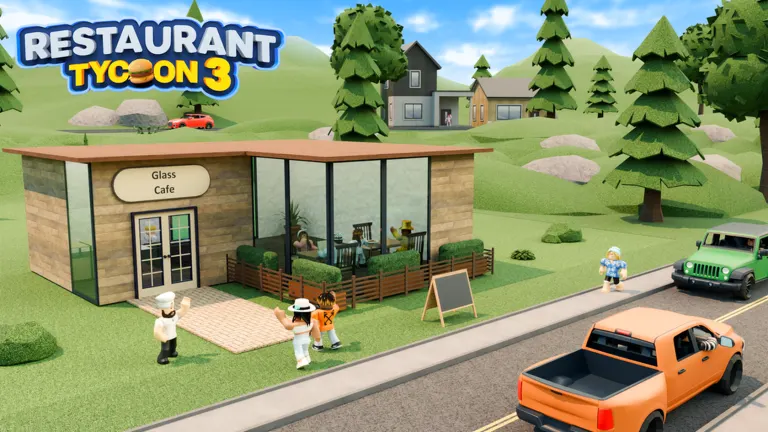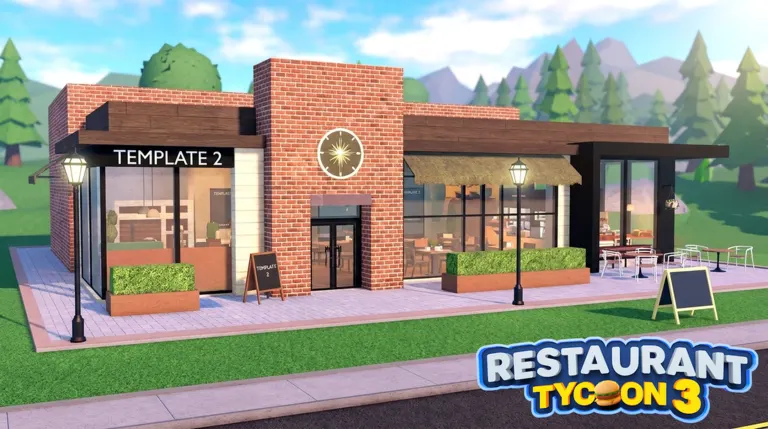
Start With a Build That Players Can Read
A strong Restaurant Tycoon 3 build matters because guests and visitors should understand its theme before they reach the front door. The best designs combine a recognizable exterior, an organized service area, and details that reward players for exploring.
You do not need to copy a massive luxury restaurant to make something impressive. A compact café can feel more complete than a huge empty building when its entrance, seating, colors, and decorations support one clear idea.
Choose a theme before buying decorations. The tutorial community has created modern restaurants, cafés, fast-food locations, Japanese gardens, tropical restaurants, resorts, hotels, mansions, castles, and cuisine-focused dining spaces. Use those examples as a starting point, then make choices that fit your own budget and plot.
| Build style | Core visual idea | Best feature to prioritize |
|---|---|---|
| Modern café | Clean lines, glass, neutral finishes | Counter and window seating |
| Japanese garden restaurant | Natural paths, greenery, calm dining zones | Garden entrance and private rooms |
| Tropical restaurant | Open, bright, vacation-inspired space | Outdoor seating and plants |
| Luxury resort | Multiple connected guest areas | Grand entrance and consistent architecture |
| Fast-food restaurant | Familiar branding and quick ordering flow | Clear counter, menu, and drive-up feel |
| Fantasy castle | Dramatic silhouette and themed rooms | Exterior shape and vertical detail |
Start by describing your build in one sentence. For example: “A modern coffee shop with a bright street-facing entrance and quiet upstairs seating.” That sentence makes later choices easier. If an item does not improve the idea, save it for another project.

Plan the Layout Before Decorating
Treat the first build stage like floor planning, not interior design. Mark where guests enter, where they order, where staff work, and where diners sit. This prevents the common problem of creating a beautiful façade with no usable room behind it.
A simple restaurant layout usually works best when the entrance gives a clear view of the main counter or host area. Guests should not need to walk through a kitchen, storage space, or a maze of decorative walls to find seating.
Use zones instead of filling every square with furniture:
- Put the entrance and waiting area at the front.
- Keep ordering, kitchen, or service functions close together.
- Reserve the center for the main dining room.
- Use edges for booth seating, windows, plants, or decorative walls.
- Create one feature zone, such as a garden, bar, VIP room, terrace, or photo spot.
- Leave walking space between tables so the room looks intentional rather than crowded.
| Zone | Purpose | Useful design choices |
|---|---|---|
| Entry | Establishes the theme immediately | Signage, lighting, planters, doors, welcome desk |
| Ordering area | Makes the restaurant function easy to read | Counter, display cases, menu-style decoration |
| Main dining room | Provides the most seating and visual rhythm | Repeated table groups, wall lights, booths |
| Feature area | Gives the build a memorable focal point | Fountain, garden, fireplace, stage, aquarium |
| Private seating | Adds variety without changing the theme | Screens, partitions, different lighting |
| Exterior | Makes the restaurant recognizable from outside | Roofline, windows, paths, landscaping |
For a café, keep the footprint small and place the counter near the entrance. For a larger restaurant, divide seating into several rooms or sections. A Japanese-themed build can use paths and garden spaces to separate rooms naturally, while a modern restaurant can use glass walls, low partitions, and changes in floor material.
Before moving on, walk the route as if you were a first-time visitor. If you cannot quickly identify the door, ordering area, dining room, and main attraction, simplify the plan.
Build the Exterior as a Promise
The exterior is the promise your interior needs to keep. A luxury tropical restaurant should look open, leafy, and welcoming from the outside. A castle should create height and drama. A coffee shop should look approachable and recognizable even when viewed quickly.
Begin with the largest forms: walls, roof, windows, and entrance. Add smaller architectural details only after the silhouette works. Many build tutorials look polished because they layer simple pieces rather than relying on a single expensive object.
A reliable exterior sequence is:
- Block out the building’s width, height, and entrance.
- Add windows or open sections to break up plain walls.
- Create a roofline that suits the theme.
- Frame the entrance with lights, trim, signs, or plants.
- Build a path or small outdoor seating area.
- Add decorations in uneven clusters for a more natural finish.
Use a restrained palette. Modern five-star builds often rely on a few coordinated tones with metallic, stone, or glass accents. Japanese garden restaurants benefit from wood, stone, water, and greenery. Tropical designs can use brighter natural colors, but they still need a repeatable base color to avoid visual noise.
| Theme | Exterior palette direction | Details that sell the theme |
|---|---|---|
| Modern | White, black, gray, warm wood | Large windows, trim, clean lighting |
| Café | Warm neutrals with one accent color | Awning, menu area, small terrace |
| Japanese garden | Wood, stone, green, muted red | Lanterns, paths, trees, water features |
| Tropical | Sand, green, wood, bright accents | Palms, open patios, layered plants |
| Resort | Light stone, glass, blue or gold accents | Courtyard, entry drive, multiple wings |
| Castle | Dark stone, deep colors, metal accents | Towers, arches, banners, raised entrance |
Do not make every wall equally detailed. Put the strongest detail around the entrance and the side players are most likely to see. Simpler rear walls are fine when they preserve the shape and leave room for expansion.
Turn a Basic Restaurant Into a Finished Design
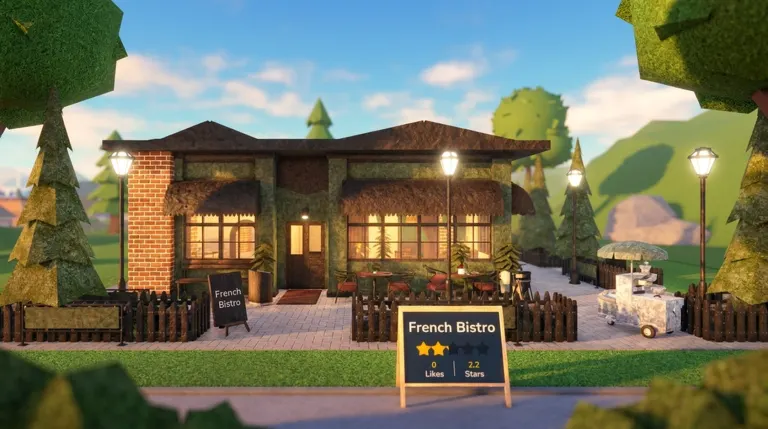
The difference between a basic build and a finished one is usually consistency. Every room should feel as though it belongs to the same restaurant, even when each zone has a different purpose.
Repeat a few visual signals throughout the build. If your exterior uses warm wood and soft lights, carry those into the dining room. If the garden has stone paths and lanterns, use the same materials near private seating. Repetition makes a large restaurant feel designed instead of assembled.
Layer details from largest to smallest:
- Architecture: walls, roofs, windows, stairs, and room divisions.
- Function: counters, dining tables, seating, and service areas.
- Atmosphere: lights, plants, rugs, wall art, and partitions.
- Story: signs, display pieces, themed corners, and photo areas.
A modern five-star restaurant tutorial demonstrates that high-end style can be built without gamepasses, although one featured design had a budget of about $218,743. A separate café-style build was presented at about $150,000 without gamepasses. These are useful references, not required spending targets. Build in stages when funds are limited: finish a working dining room first, then improve the exterior, premium seating, and decorative rooms later.
| Budget approach | Build first | Add later |
|---|---|---|
| Small café | Counter, compact seating, entrance sign | Patio, display wall, upgraded lighting |
| Mid-range restaurant | Main dining room, kitchen/service area, façade | Private room, landscaping, detailed roof |
| Large luxury build | Central entrance, one complete dining wing, theme palette | Hotel rooms, resort wings, major garden features |
| Themed showcase | One memorable room and a strong exterior | Additional floors, side buildings, extra seating |
Avoid copying every object from a video frame by frame unless that is your goal. Instead, study what makes the build work: its proportions, room sequence, palette, focal point, and decoration density. A Sakura Pavilion-style Japanese theme, for example, can inspire a peaceful garden layout without requiring an exact replica.
Take screenshots as you build. Viewing your restaurant from outside, from the entrance, and from a seated guest’s perspective quickly reveals blank walls, awkward paths, or areas that need a focal detail.
FAQ
What is the best restaurant tycoon 3 tutorial build for beginners?
A modern café is usually the easiest starting choice. It needs a small footprint, a visible counter, a simple dining room, and limited exterior detailing. Once the layout feels good, you can add a patio, upstairs seating, or a more elaborate façade.
Can I make a five-star-looking restaurant without gamepasses?
Yes. Community tutorials have shown modern restaurant and coffee-shop builds designed without gamepasses. Focus on layout, color consistency, lighting, and layered details before assuming expensive additions are necessary.
Should I build the interior or exterior first?
Block out both first, then complete the exterior structure before decorating the interior. This keeps room sizes realistic and makes sure your entrances, windows, and roofline match the spaces inside.
Which theme works best for a large plot?
Resorts, hotels, tropical restaurants, mansions, and castles use large plots well because they can include multiple wings or distinct areas. Give each section a purpose so the build feels like one destination rather than several unrelated buildings.
How do I personalize a restaurant tycoon 3 tutorial build?
Keep the tutorial’s overall layout or theme, then change the palette, building shape, seating pattern, landscaping, signage, and feature room. Those changes make the restaurant recognizably yours while preserving a proven design structure.