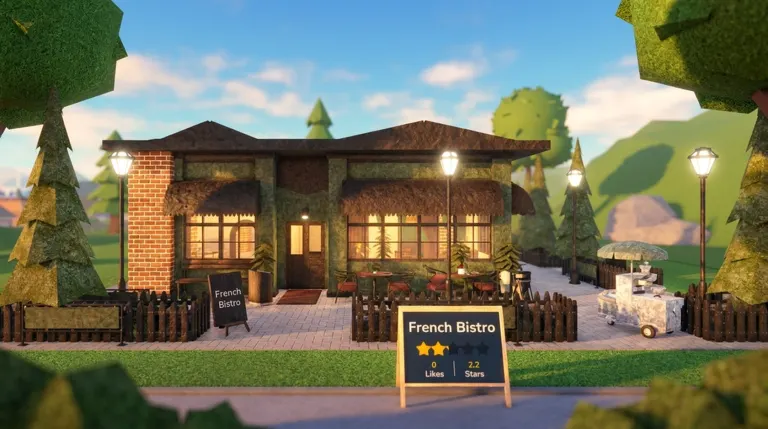
Start With Profit, Not Decoration
A fast, practical restaurant gives you the cash and experience needed for every later upgrade. In Restaurant Tycoon 3, early progression is less about building a beautiful dining room and more about completing a reliable service loop: seat guests, take orders, cook, serve, and collect payment.
Choose a plot, restaurant style, and cuisine you enjoy, but keep the first build compact. Customers and staff lose valuable time when tables, order stations, and kitchen appliances are separated by long routes. Buy affordable furniture first, then reinvest earnings into whichever part of the restaurant is slowing down.
| Early priority | Why it matters | Best approach |
|---|---|---|
| Seating | More available seats create more sales opportunities | Add inexpensive tables gradually |
| Kitchen layout | Shorter routes reduce cooking delays | Keep counters, ovens, and order stations together |
| Manual cooking | Builds personal milestone progress | Cook normal orders before relying heavily on staff |
| Missions | Provide rewards and dish unlocks | Finish active objectives whenever possible |
| Decorations | Improve ratings, but not immediate throughput | Delay major cosmetic spending |
Use a mix of small and medium tables instead of filling the room with one table size. Two-seat tables are flexible for smaller groups, while four-seat tables help avoid wasting capacity. Leave clear walking space around every table so guests and workers can move without awkward detours.
Your early routine should be simple:
- Seat arriving groups as soon as tables are open.
- Cook orders immediately instead of letting a queue grow.
- Complete missions before spending on optional cosmetics.
- Keep some cash in reserve for a new table, appliance, or worker.
- Replace weaker menu items when better dishes unlock.
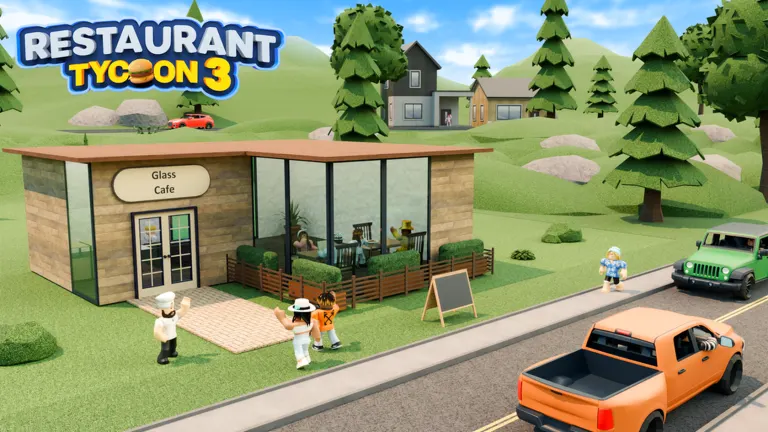
Build a Progression Loop That Scales
Your restaurant level unlocks more food across starters, mains, and desserts. Dishes matter because they influence both income and kitchen workload. A valuable dish is useful, but a dish with too many preparation stages can become a bottleneck if your kitchen cannot keep up.
During the opening stages, prioritize dishes that are quick to prepare and help you practice relevant cooking actions. Chopping, frying, baking, and serving all contribute to milestones while you run normal shifts. This makes active play more valuable than immediately automating everything.
| Restaurant problem | Likely cause | Practical fix |
|---|---|---|
| Guests wait outside | Not enough suitable tables | Add seating or improve the table-size mix |
| Orders pile up | Kitchen is too slow or distant | Move appliances closer and help cook |
| Meals are ready but delayed | Serving capacity is limited | Deliver food yourself or add a server |
| Cash disappears quickly | Too much cosmetic spending | Pause decorating and improve throughput |
| Progress feels slow | Missions and milestones are ignored | Work on objectives during regular service |
A compact kitchen is usually stronger than a large one. Put connected workstations beside each other, and keep the serving route clear. If you add a second order station later, place it where workers can reach it without crossing the whole dining area.
When you hire your first employee, a chef is often the most useful choice because cooking is usually the longest part of the loop. Continue handling seating, orders, and serving yourself until customer volume becomes too high. Staff should solve a proven bottleneck, not simply replace work you can still do efficiently.
Level Milestones While You Earn
Milestones are permanent player progression shared across restaurant saves. They reward repeated activities in nine categories, so a new restaurant does not mean starting your personal development over. Their bonuses apply to your player rather than automatically making hired workers faster.
The core milestone categories are Chopping, Baking, Frying, Serving, Food Mastery, Building, Leadership, Management, and Gardening. Each reaches ten levels and awards a trophy at the final level.
| Milestone | Main activity | Examples of benefits |
|---|---|---|
| Chopping | Chop ingredients while cooking | Faster chopping and access to special locations |
| Baking | Bake dishes during food preparation | Better related preparation speed and unlocks |
| Frying | Fry food during cooking | Faster frying and additional access rewards |
| Serving | Take orders, deliver meals, collect dishes | Higher tip chances and diamond rewards |
| Food Mastery | Unlock foods and buy food-related upgrades | Better food critic chances |
| Building | Purchase and place build items | Better celebrity chances and restaurant rewards |
| Leadership | Hire, customize, and upgrade workers | Larger tip amounts |
| Management | Upgrade restaurant systems | Management-related progression rewards |
| Gardening | Work with ingredient-growing systems | Gardening perks and unlocks |
Do not grind milestones in isolation too early. The strongest approach is to choose normal menu items that overlap with the milestone you want. For example, dishes with chopping and frying steps can improve both your income cycle and personal skills.
Food Mastery grows through unlocking food and obtaining ingredient or kitchen-related improvements. Building grows from purchases in Build Mode, so save major decoration projects for when they also support your rating goals. Leadership develops through worker hiring, upgrades, outfits, and customization, making it a natural midgame investment rather than an opening priority.

Expand Into Ratings, Staff, and Better Capacity
Once the restaurant earns steadily, begin expanding capacity and improving its ratings. Restaurant ratings are influenced by service, food, atmosphere, hygiene, and expansion. Treat these as separate systems; adding random decorations alone will not solve a weak food or service score.
Upgrade the restaurant in layers. First make service dependable, then improve food capacity, then invest in hygiene and atmosphere. A large restaurant with slow service earns less effectively than a smaller restaurant where every order moves quickly.
| Rating area | What improves it | Progression advice |
|---|---|---|
| Service | Capable staff, efficient routes, prompt orders | Assign workers distinct jobs instead of duplicating roles |
| Food | Better dishes, kitchen equipment, menu depth | Unlock stronger meals and keep preparation efficient |
| Atmosphere | Decor, entertainment, music, outdoor and nature items | Add categories gradually rather than buying one item type |
| Hygiene | Toilets, sinks, bathroom items, clean-looking facilities | Include a functional bathroom area as you expand |
| Expansion | Restaurant upgrades, floors, roofs, plot growth | Buy expansions after your current space is productive |
Worker roles matter. Avoid assigning every server to greet customers while meals wait in the kitchen. A balanced setup can reserve some workers for greeting and serving, while others take orders and collect dishes. Chefs should have direct access to counters, ovens, and order stations.
As your income improves, expand only when the current floor is genuinely crowded. Extra floors and plot space create potential, but they can also add travel time. If you use multiple levels, place high-traffic areas near convenient vertical access and avoid sending workers on long routes for routine tasks.
For atmosphere, diversify your build. Art, electronics, fun items, outdoor features, natural décor, lighting, and music can all contribute to a more complete restaurant. Add roofs as part of the finished structure, and do not neglect hygiene items simply because they are less visually exciting.
FAQ
What should I prioritize first in this restaurant tycoon 3 progression guide?
Start with seating, a compact kitchen, and a menu you can prepare quickly. Complete missions, earn cash, then spend it on the bottleneck currently limiting your restaurant.
Should I hire staff immediately?
Not usually. Early manual work helps you learn the service loop and build milestones. Hire a chef or server once cooking or delivery demand regularly exceeds what you can handle alone.
How do I level milestones faster?
Choose dishes that contain the actions you need, such as chopping or frying, and perform those actions during normal service. This earns money while advancing milestone experience.
How can I improve my restaurant rating?
Improve each rating category separately: staff and routes for service, stronger dishes and equipment for food, varied décor for atmosphere, bathroom facilities for hygiene, and upgrades for expansion.
Do milestones work on employees?
Milestone bonuses are personal player bonuses. Upgrade workers directly with cash when you need them to perform better.